Case study · Consultoria Motriz
From design desk to strategic consultancy
Over five and a half years, I helped turn a small design desk into a strategic consultancy. I rebuilt how the company worked, priced and showed up, and average client retainers grew roughly 6×.
- Role
- Creative Lead & Project Manager
- Period
- 2019–2024
- Team
- Up to 6 in-house, ~18 over five years
- Scope
- Brand strategy, design system, content, training products, operations
- average monthly client retainer, in about three years
- ~6×
- clients served, 500+ of them through SEBRAE
- 700+
- longer average team tenure, from ~6 months to ~1.5 years
- 3×
- views on a YouTube channel built from zero, ~970 videos
- 100k+
The challenge
When I joined Motriz in 2019, the creative team was small and delivered entry-level work: basic visual identities and some social media. Nothing measured effort, so every client looked the same on paper, whatever its complexity.
Revisions went unpaid, deadlines were optimistic, and the team absorbed the difference in overtime.
My role
I was Creative Lead and, in practice, the company's project manager. I led a rotating in-house team of up to six (designers, video editors, social media, copywriters and an anthropologist focused on consumer research) and coordinated external developers, strategists, media buyers and launch partners.
The insight
The problem wasn't the quality of the design. It was that the business couldn't see its value.
Key decisions
-
Measure everything, then reprice
I set up project management on Runrun.it to track hours, stages and change requests for every client. With that data, I proposed a new pricing model based on complexity, size and impact, with paid revisions and realistic timelines. Within about three years, average monthly retainers had grown roughly 6×.
-
Move up the value chain
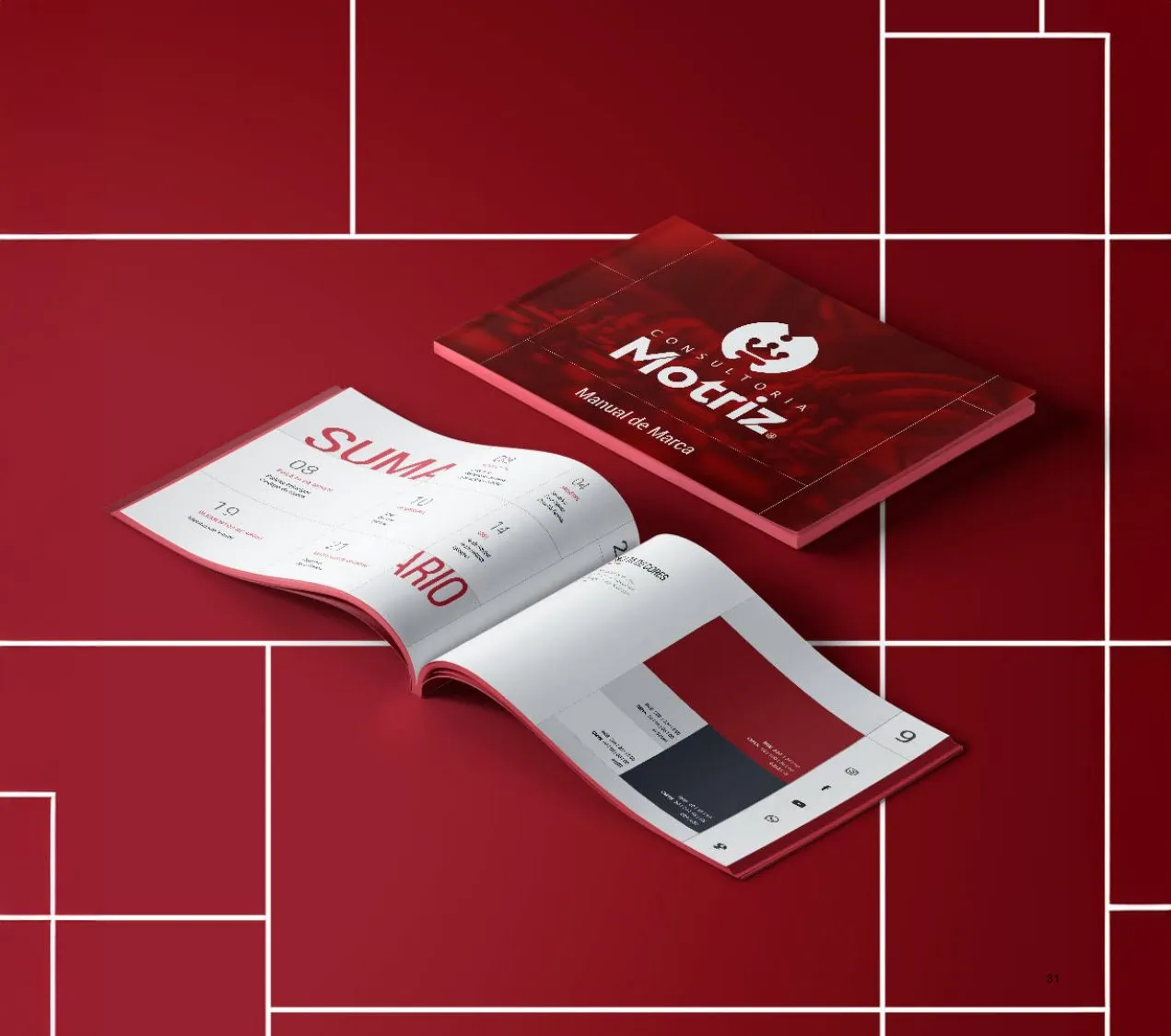
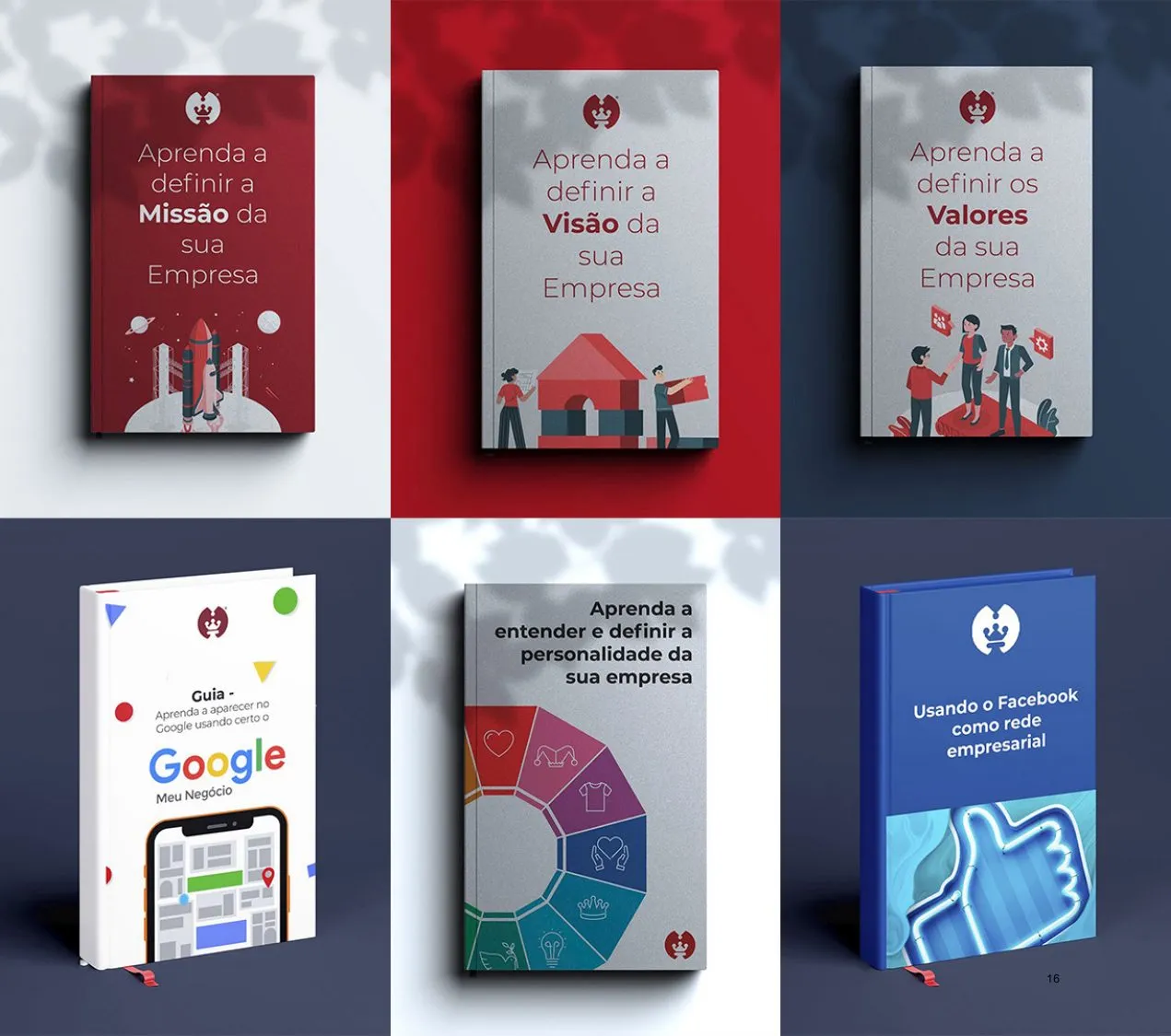
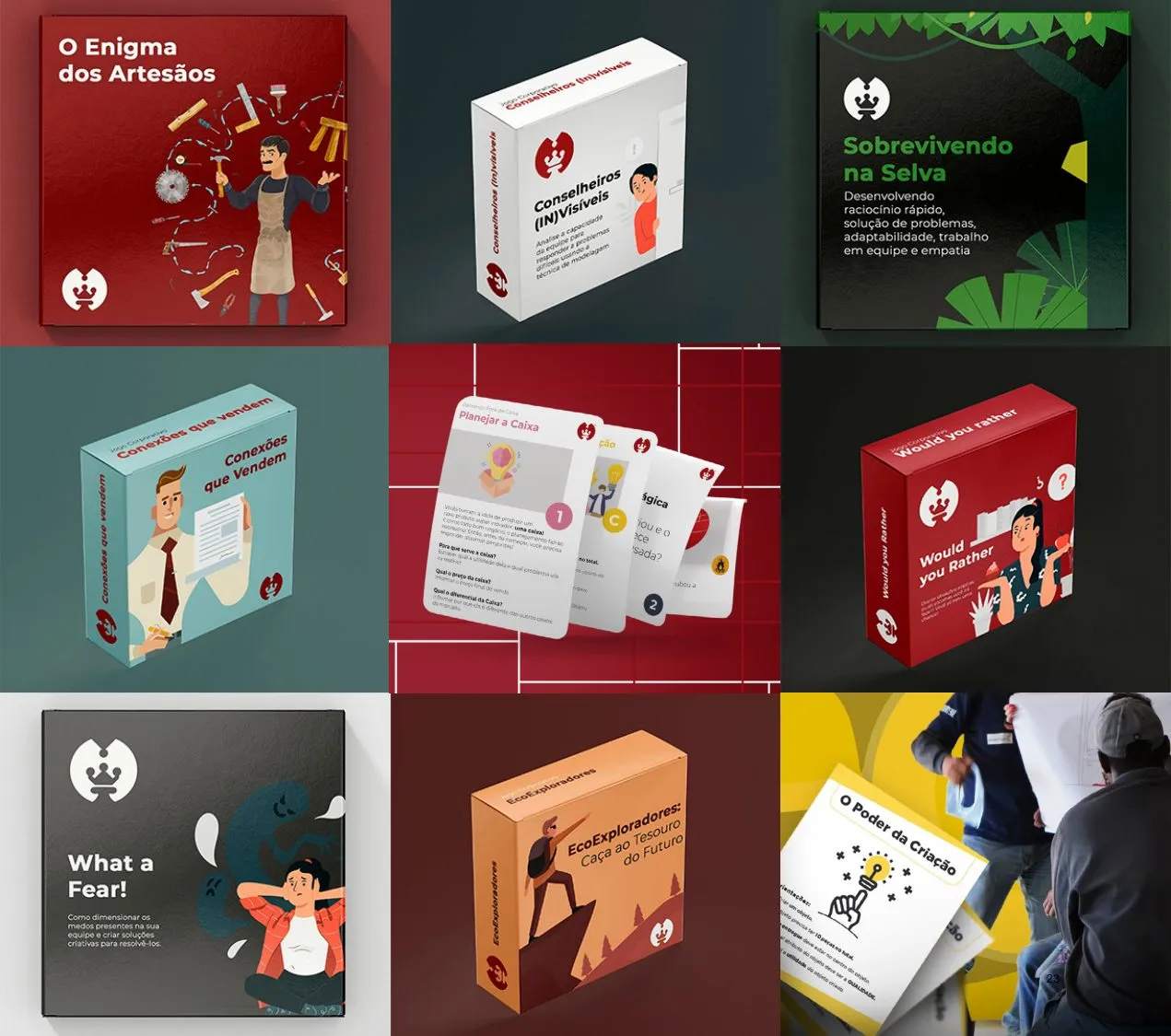
We moved from basic identity work into full strategic branding: benchmarking, competitor research, personas, brand archetypes, touchpoint mapping, sales flows and conversion-focused content funnels. From there we expanded into corporate training, training games and business consulting.
-
Put a face on the brand
Our CEO delivered most of the talks and content, so we made her the face of Motriz and built her authority across YouTube, Instagram, Facebook and Medium.
The system
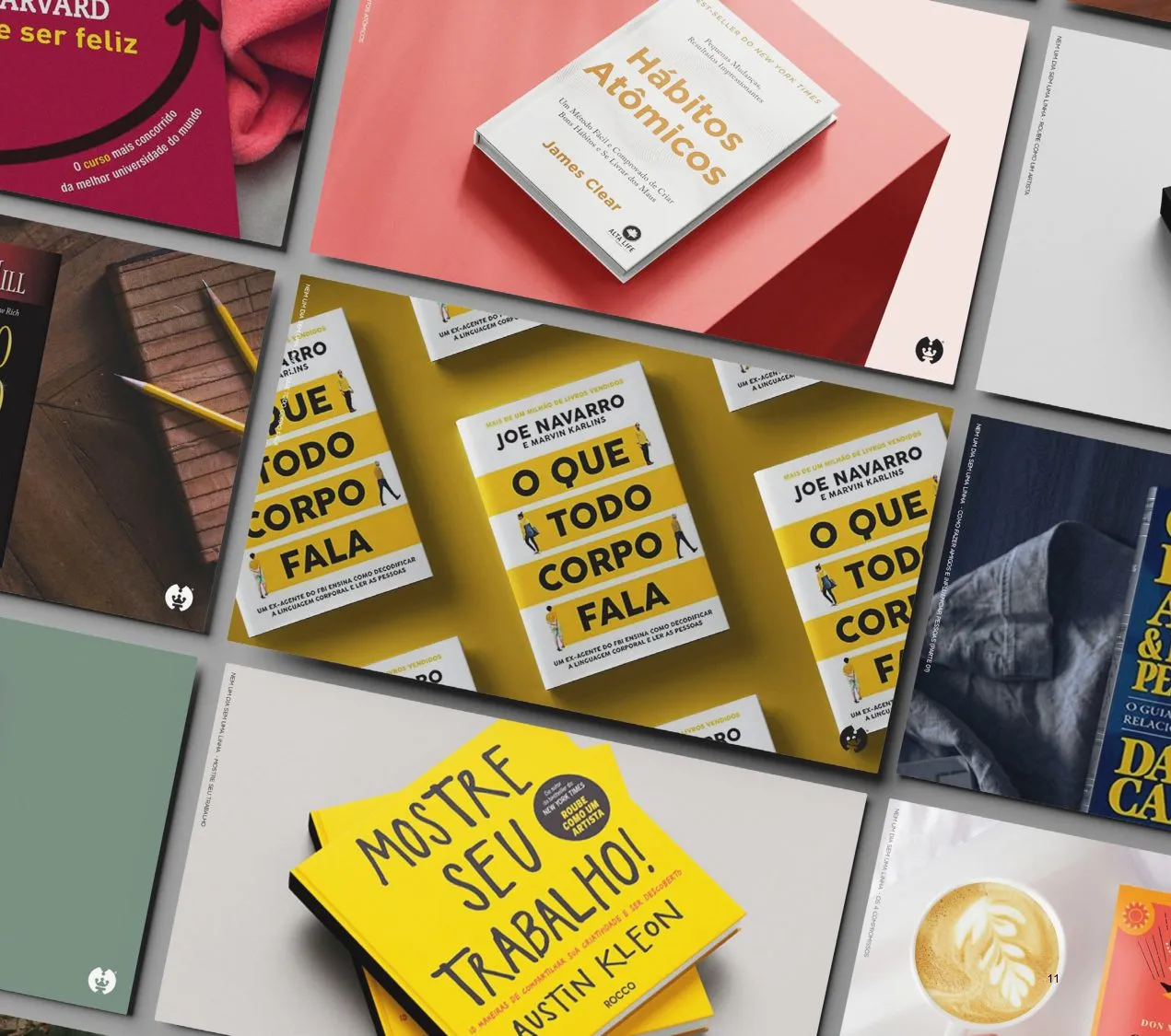
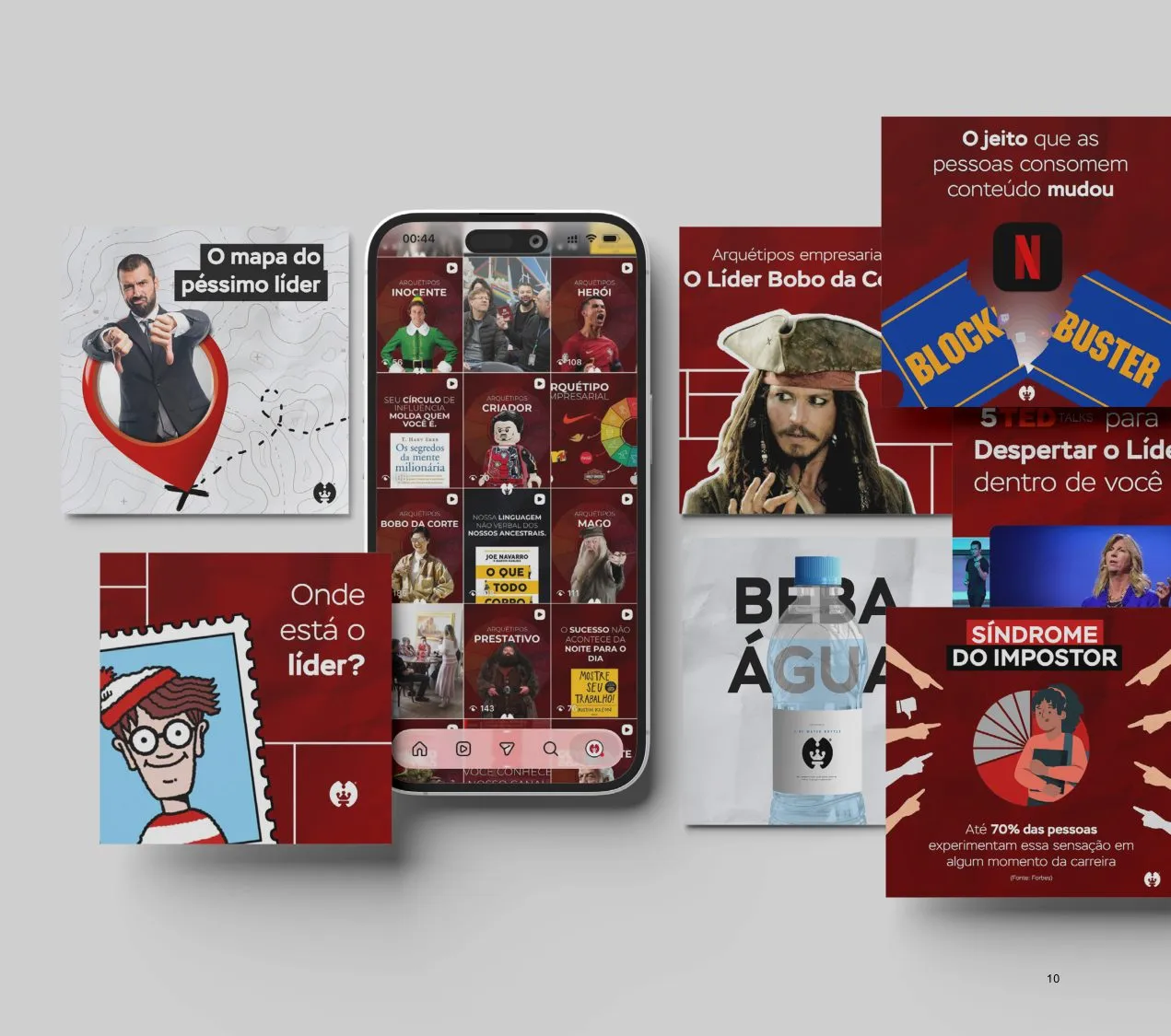
One set of guidelines for visuals, photography and tone of voice, applied across every channel and product.
How I led it
-
Standard project flows
Every project followed defined stages, and every change was logged, so we knew what each client really cost.
-
Protecting the team
Visible workloads helped prevent burnout. Performance was tied to quality of life, not overtime.
-
A Friday learning track
For about three and a half years, the team spent every Friday on soft and hard skills. It led to vertical and horizontal promotions and to new capabilities (video, sales copy, email automation) that became new services.
-
Client workshops
I ran training games and talks on social media and process directly with clients.
Results
- ~6× average monthly client retainer in about three years
- 700+ clients served, 500+ of them through SEBRAE as an accredited consultancy
- 45+ corporate training games delivered
- A YouTube channel built from scratch: ~970 videos, 100k+ views
- Average team tenure up from ~6 months to ~1.5 years
- By 2024, Motriz had fully repositioned as a corporate training and consulting firm, with a leaner team and a much higher average ticket
What I learned
If I started again, I'd set clear milestones and measurable goals from day one, and automate earlier as AI reshaped creative work. That would have protected the team even more, and let us scale quality without scaling hours.