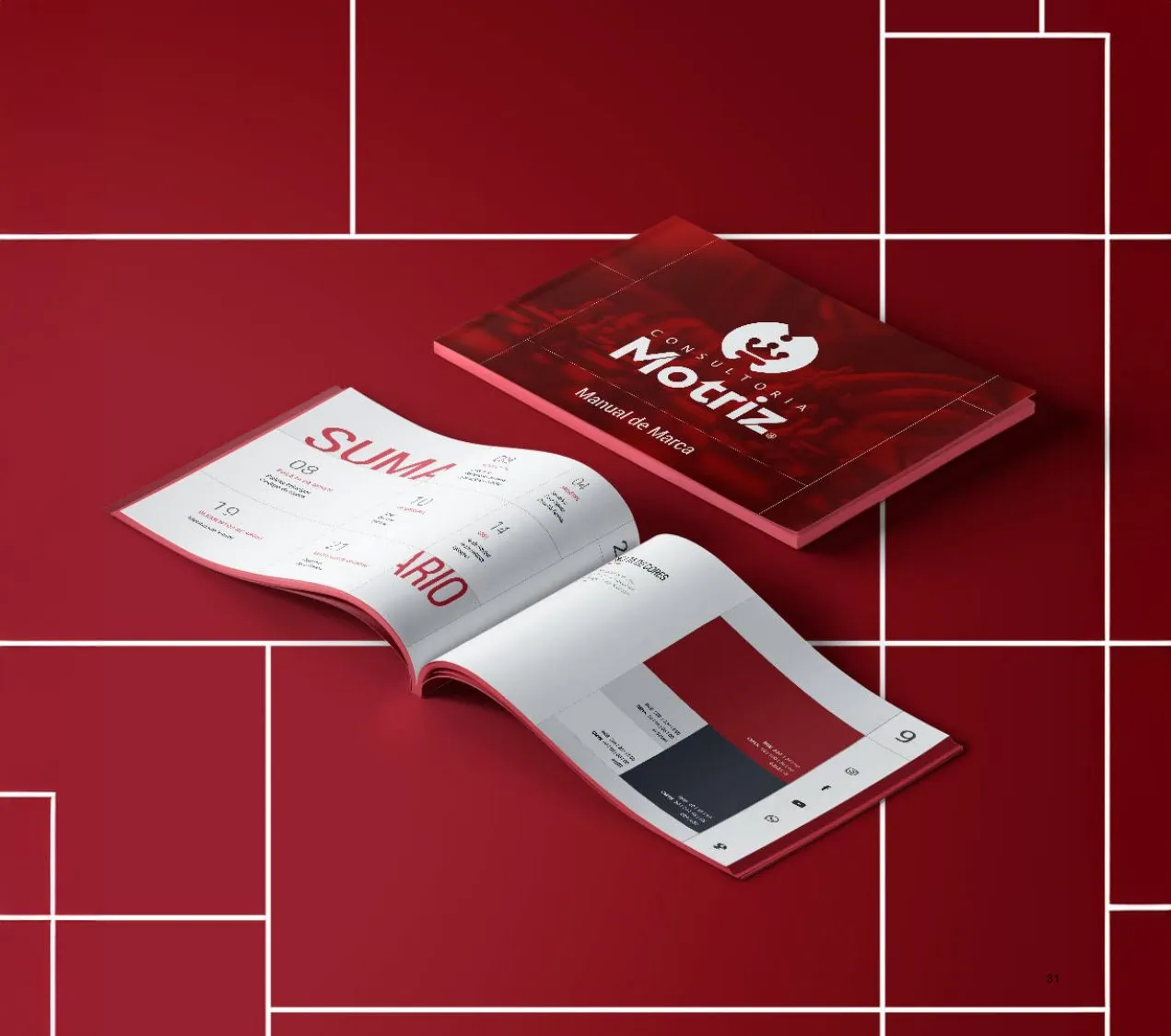
Case study · SEBRAE
Brand strategy for businesses that can't afford a strategist
SEBRAE is Brazil's national agency for micro and small businesses. As one of its accredited consultants, I ran 200+ consultations, trainings and talks, turning brand and process frameworks into decisions owners could act on the next day.
- Role
- Accredited consultant (via Consultoria Motriz)
- Period
- 2021–2024
- Region
- Paraná, Brazil
- Scope
- Brand strategy, positioning, processes, leadership training, talks
- consultations led personally
- 200+
- positive ratings through SEBRAE's ombudsman
- 100%
- talks: 5+ as lead speaker, 35+ as supporting speaker
- 40+
- city governments reached with talks and workshops
- 5
The context
Most small-business owners in Brazil never get to work with a brand strategist. Through SEBRAE they could, sometimes for thirty minutes and sometimes for forty hours. My job was to make that time count.
From 30 minutes to 40 hours
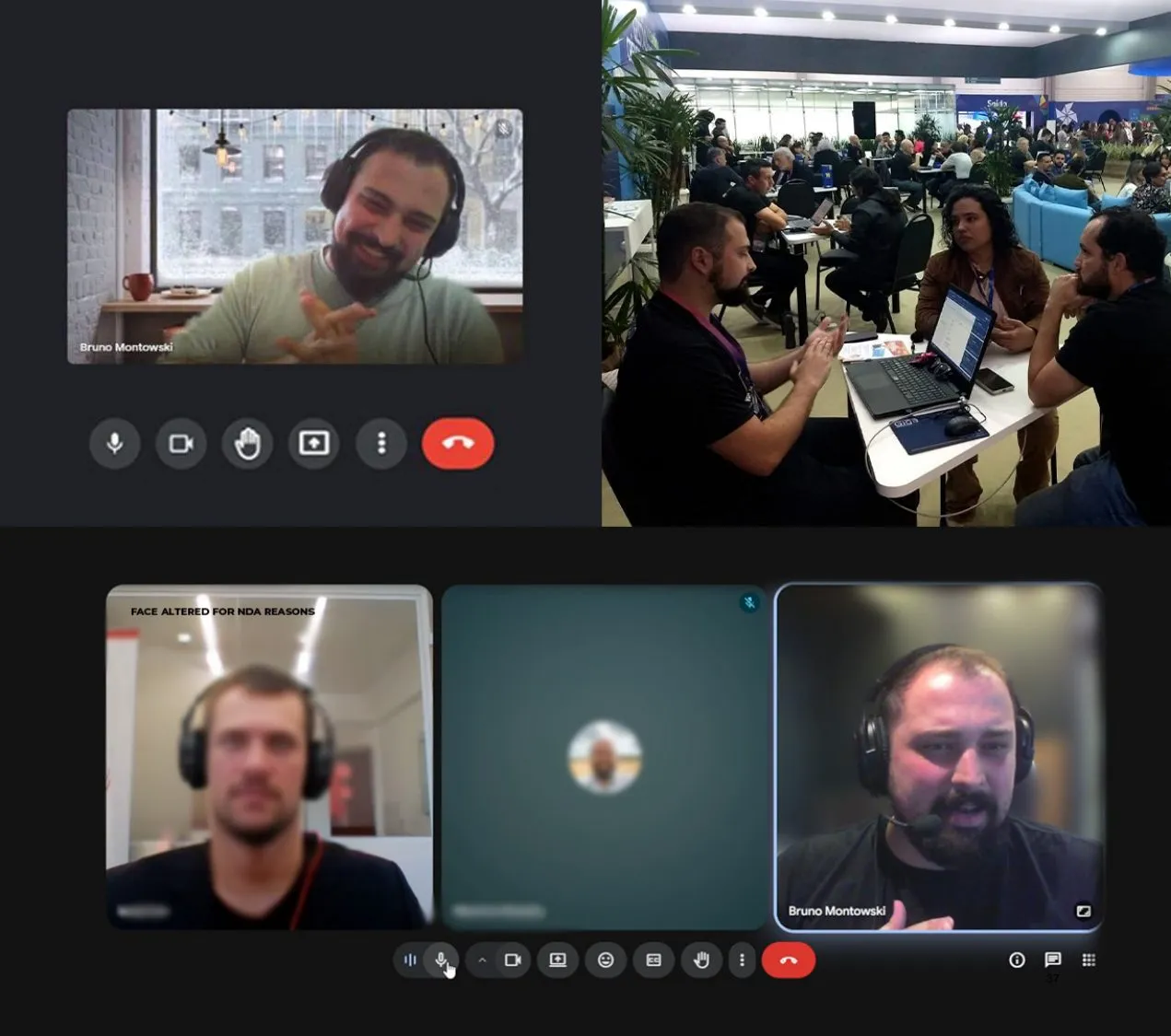
- Quick consultations (30–60 min) for solo entrepreneurs: clear next steps and the right program to follow, many held remotely at the end of the pandemic
- Ongoing programs (10–40 hours) for small and mid-sized companies: branding, positioning, market and competitor research, labelling, processes and sales
- In-company training for restaurants, distributors, factories, retailers and car dealerships: leadership, communication and teamwork
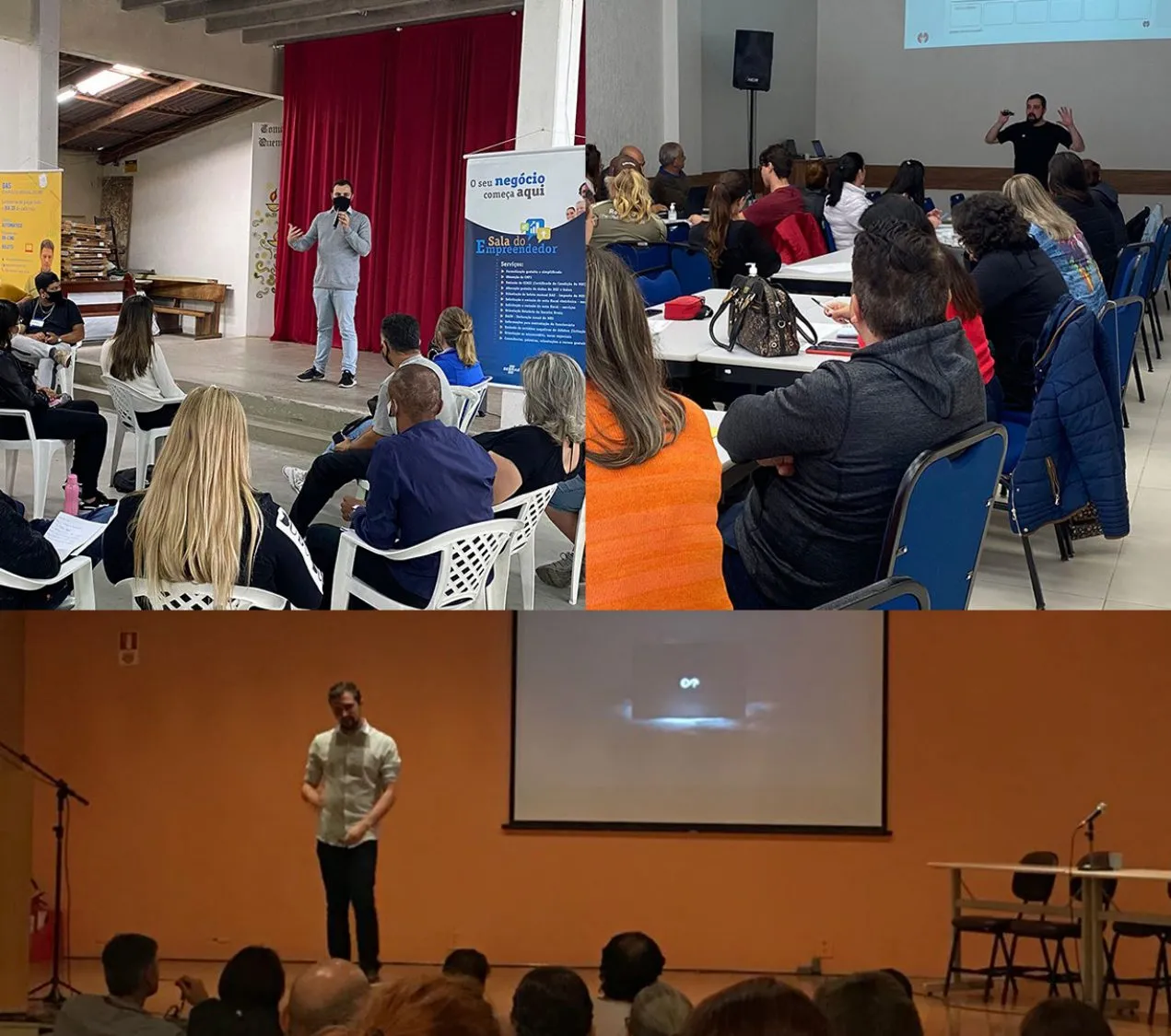
- Talks and workshops with five city governments on brand positioning, archetypes, content repurposing, community building, customer loyalty and training games
- Joint sessions with consultants in HR, finance, marketing and innovation
What I kept seeing
Across sizes and sectors, the same problems came back: unclear positioning, weak internal communication, and no standard processes, especially as teams grew.
How I worked
-
Start with culture
Where is the business going, and what does success look like? I helped owners set goals that were measurable, realistic and healthy for their teams.
-
Design Thinking as the backbone
To identify problems, analyse them and generate solutions.
-
Visual frameworks in Miro
Adapted from Stanford's d.school and other innovation toolkits: business model canvases, the Golden Circle, the Eisenhower Matrix and Stepping Stones.
Same sandals, new story, 5× the price
One of my first consultations was with a solo entrepreneur, a public-school teacher who handmade wicker and sisal espadrilles. She sold them to fellow teachers, using photos taken at home in poor light. Even at a low price, they were seen as a hobby.
We had four hours. Together we:
- registered her brand
- invested in professional, styled photography
- rewrote her story from "homemade" to "handmade, personalised, one of a kind"
- placed her products in local boutiques on consignment, where craftsmanship is valued
The product didn't change. The context did, and her price per pair grew 5×. Her customers became people who value unique, handmade work.
Influence beyond the room
I never formally trained other consultants. But innovation agents from smaller towns who joined my sessions took the frameworks back to their own SEBRAE clients.
Results
- 200+ consultations led personally (500+ across the Motriz team)
- 5+ talks as lead speaker and 35+ as supporting speaker
- 100% positive ratings through SEBRAE's ombudsman
- Talks and workshops with 5 city governments in Paraná
- Frameworks adopted by innovation agents in other cities
What I learned
Hundreds of owners taught me how business owners actually think. No answer is obvious to the person living the problem, and sometimes the smallest change (a photo, a story, a shelf) has the biggest impact. That empathy now shapes how I approach every brand, whatever its size.